


Meander Park – thermal aquapark Oravice
Year-round thermal aquapark under the West Tatras – 100 % geothermal water up to 38 °C, water slides, wave pool and cable car right next door.
Castles, museums, wooden churches, open-air museums, viewpoints and trips for the whole family - everything is worth seeing in Orava.
There is no place open now.
Year-round thermal aquapark under the West Tatras – 100 % geothermal water up to 38 °C, water slides, wave pool and cable car right next door.
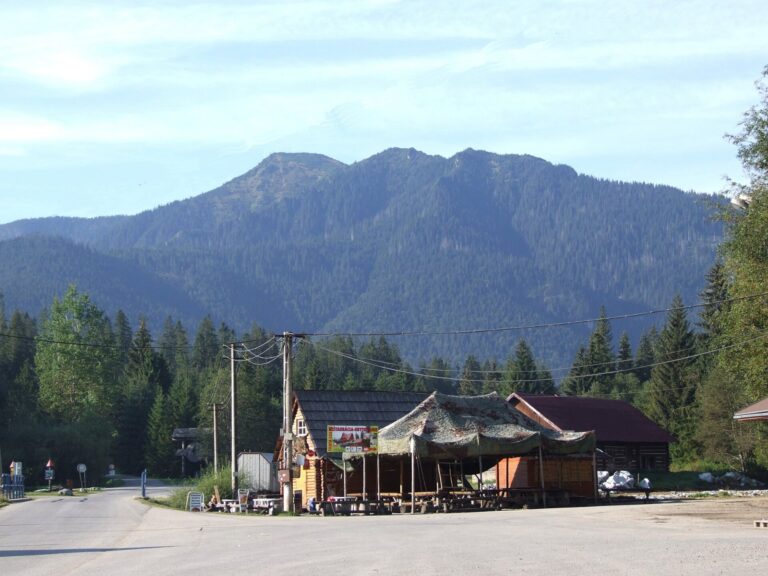
A family ski resort in Oravice with over 12 km of slopes, views of the Western Tatras and a thermal aquapark right next door.
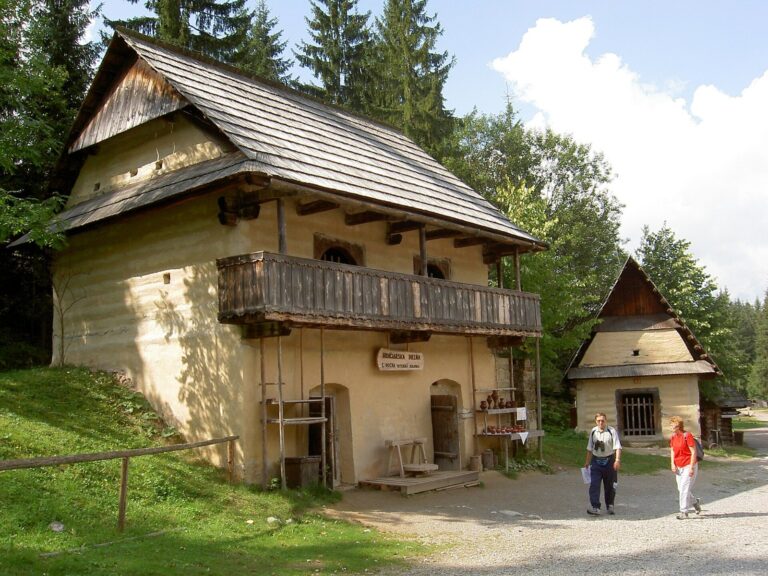
An open-air museum under Roháče with over 50 wooden houses, a water mill and a Gothic church from the 15th century - a living example of how people once lived in Orava.
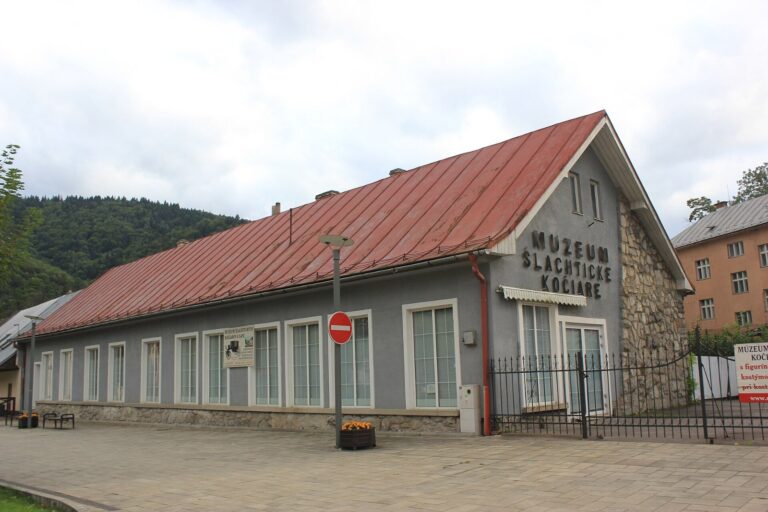
The largest collection of historic carriages and sleighs in Slovakia – 21 restored exhibits directly below Orava Castle.
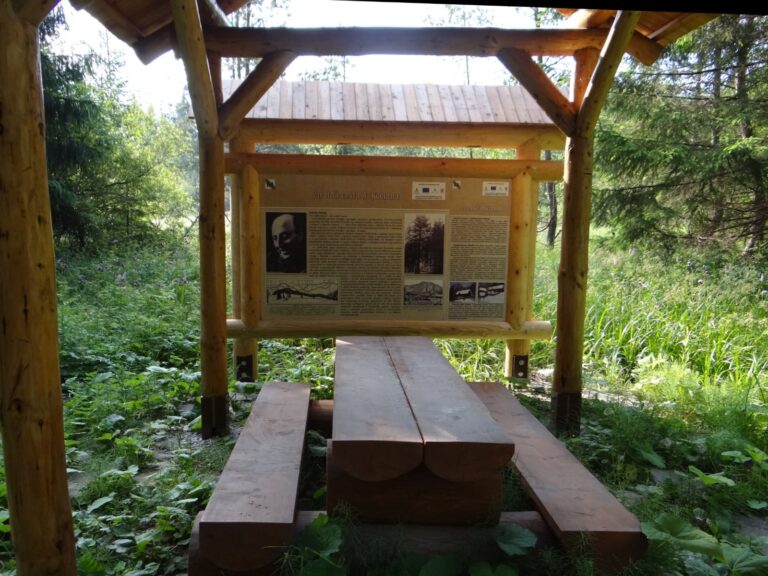
Two nature trail routes following in the footsteps of forester and naturalist Anton Kocyán – an easy 3.2 km around the Peciská peat bog and a longer circuit to Magura.

A 9 km long circular nature trail with 13 stops that will take you through the Klinské rašelinisko, traditional agricultural landscape and mountain forests.
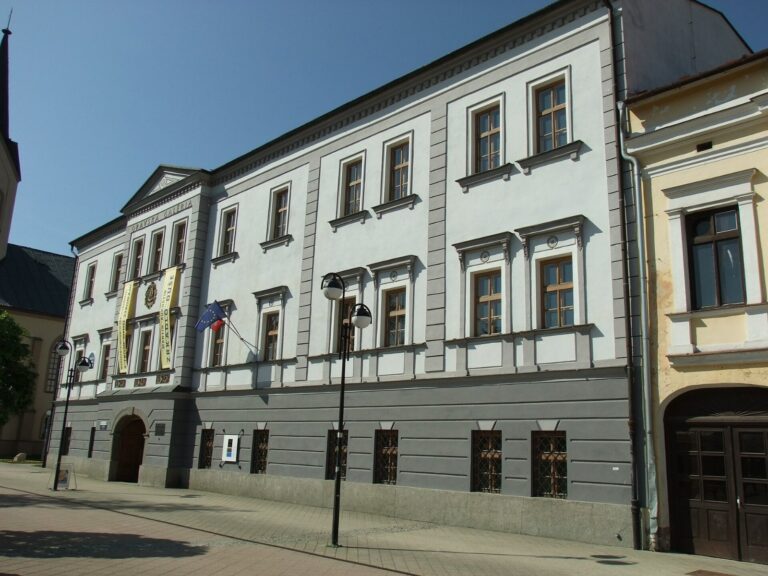
The historic building of the former Orava County on the square in Dolny Kubín houses permanent exhibitions of Gothic, Baroque, folk and modern Slovak art.
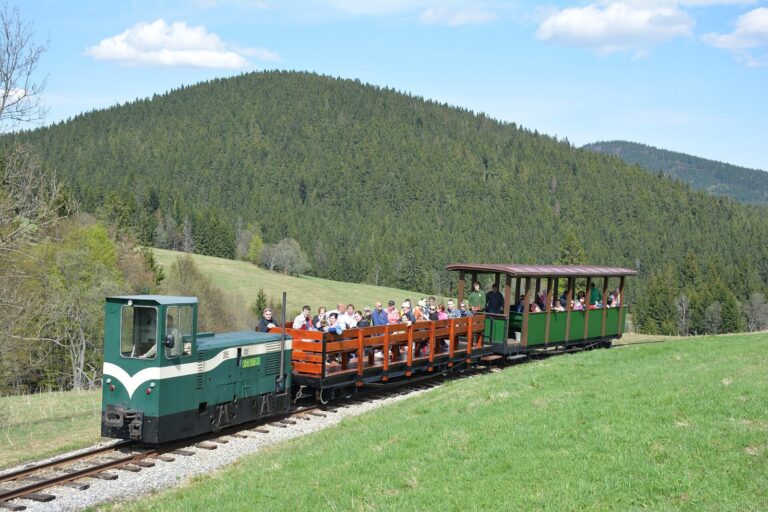
By train through unique dead ends to the Beskydy saddle - a historic forest railway from 1918 with an observation tower and a program for children.

The largest body of water in Orava: beaches, sailboats, cruises and sunsets over Námestovo with a view of Oravská Magura and Babia Hora.
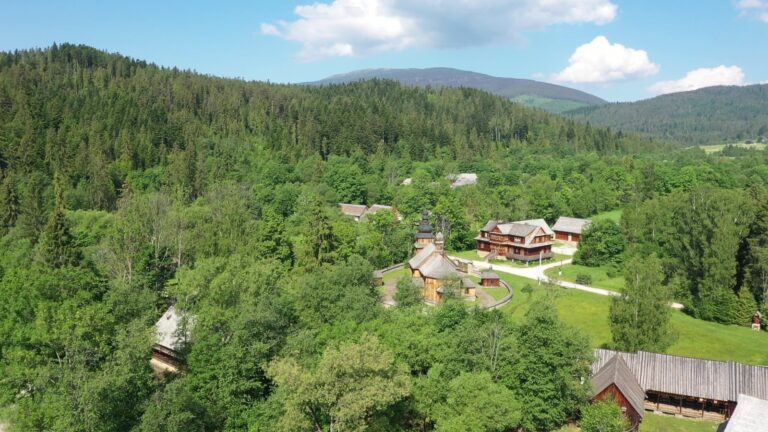
The largest open-air museum in Polish Orava with the Moniak family mansion, wooden cottages, a pub and technical buildings under Babá Hora.

One of the most beautiful castles in Slovakia - on a cliff above the Orava River, with 155 rooms, three tour circuits and views of the entire valley.
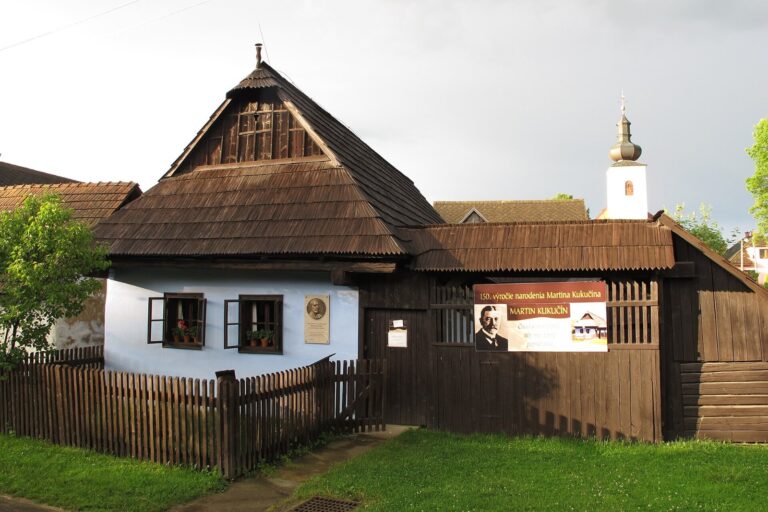
Birthplace of writer and doctor Martin Kukučín – a village house with furnishings from the turn of the 19th and 20th centuries and a statue of the author in a neighboring park.